Preventing Garden Pests With Beneficial Nematodes
Calibrate a hose-end sprayer with food coloring, mix 30 million beneficial nematodes out of direct sun, and stop white grubs and vine borers organically.
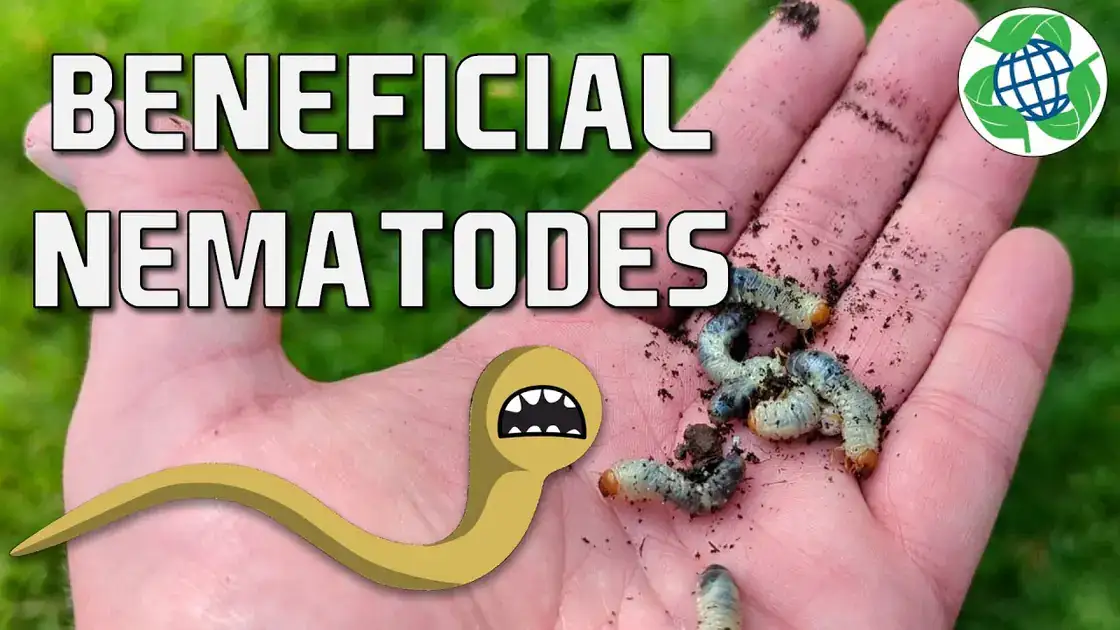
Field Notes At a Glance
- Coverage & Dose
- 3 species × 10M packs (30 million total) for ~350 sq ft garden + perimeter
- Sprayer Setting
- 3 oz per gallon (middle of 2–4 oz/gal package recommendation)
- Best Timing
- Cool morning or evening (soil >40°F), ideally after rain or before planting
- Safe For
- Humans, pets, vegetables, earthworms & red wigglers
Beneficial nematodes are microscopic, non-segmented soil roundworms that hunt down underground garden pests—including white grubs, squash vine borer larvae, squash beetles, ants, fleas, and ticks—before they wipe out a small backyard harvest. They are completely safe for people, pets, vegetables, and beneficial earthworms, and applying them evenly is easy once you calibrate your sprayer first.
How Beneficial Nematodes Actually Work
Unlike parasitic worms you want nowhere near a garden, beneficial nematode species live naturally in healthy soil and target specific insect hosts:
- They enter soil-dwelling pest larvae through natural openings (mouth, breathing pores, or directly through the body wall).
- Inside the host, they release symbiotic beneficial bacteria that kill the pest within 24 to 48 hours.
- The nematodes feed, multiply inside the spent host, and move back out through moist soil to hunt the next target.
- Safe for earthworms: A common worry is whether beneficial nematodes attack earthworms or red wigglers—these commercial garden species do not harm earthworms.
Using a three-species blend (we ordered 3 packs of 10 million—30 million total—from Arbico Organics) covers overlapping soil depths and pest types across roughly 350 sq ft of garden beds plus a yard perimeter.
Supplies Needed
| Tool / Supply | Why It Helps |
|---|---|
| Dial Hose-End Sprayer | Fast, even application across beds and turf without clogging |
| 1-Gallon (128 oz) Measuring Pitcher | Pre-mixes all 30 million nematodes cleanly so every refill gets an even dose |
| Food Coloring (a few drops) | Makes clear water visible through the sprayer reservoir during your dry run |
| Beneficial Nematode 3-Species Blend | Ordered by square footage from Arbico Organics |
| Stirring Stick (a tomato stake works) | Keeps nematodes suspended so they do not settle to the bottom |
(Direct links for the sprayer, measuring pitcher, and nematode supplier are in the Tools & Gear Used cards below.)
Step 1: Run a Plain-Water Calibration Test First (Before Opening Packs)
The biggest mistake gardeners make with beneficial nematodes is dumping the whole packet into a sprayer, running out halfway across the yard, or finishing with half a bottle left over. Fix that with a 5-minute dry run:
- Fill your pitcher with plain water, add a few drops of food coloring so you can clearly see the fluid level, and fill the hose-end sprayer reservoir completely.
- Set the sprayer dial to 3 oz per gallon (right in the middle of the 2–4 oz/gal label range).
- Spray across your target beds and perimeter until water just begins pooling lightly on top of the soil, watching how much ground one full reservoir covers.
- Note how many total refills your garden + perimeter takes. In our ~350 sq ft garden + perimeter test, one full reservoir (~35 oz, roughly 1/3 of a gallon) covered a clean third of the zone—meaning 3 refills (~1 gallon / 128 oz total concentrate) covers the entire space evenly.
Step 2: Pre-Mix Your Concentrate in One Pitcher
Pre-mixing all packs into a single measured gallon beats trying to split tiny damp packets by hand into a 32 oz bottle:
- Fill your 1-gallon measuring pitcher just short of the 1-gallon mark (leaving room for rinsing packets).
- Peel back each nematode pack directly over the pitcher, tap out the brown carrier medium, and dunk/rinse the empty packs straight into the water so zero nematodes get wasted.
- Top off to 1 gallon with water to aerate and stir thoroughly with a clean stick until the clumps dissolve into a slightly milky suspension.
Step 3: Apply in Cool Light & Water Them Deep Into the Soil
Nematodes are living organisms—direct UV sunlight and dry heat kill them quickly. Follow four simple rules during application:
- Apply early morning, overcast days, or early evening when soil temperatures are above ~40°F and moisture is already in the ground (right after a light rain is ideal).
- Keep your mixing pitcher in the shade while spraying each section.
- Stir before every single refill: Nematodes settle noticeably to the bottom of the pitcher between passes. Stir every time you pour into the sprayer reservoir.
- Soak the entire area with plain water right after finishing: Nematodes travel vertically downward through soil moisture. Giving treated beds and borders a generous plain-water soak washes them down to where grubs and pupae live—and rinse out your pitcher and sprayer straight onto the garden beds so every last microscopic hunter gets to work.
Honest Tradeoffs & What to Avoid
- Skip drip irrigation lines: Even though nematodes can work through a hose-end sprayer or clean pump sprayer (remove fine mesh screen filters first), tiny drip-emitter ports risk clogging or grinding them up.
- Not a 100% solo silver bullet: In a small backyard garden you do not have acres of spare plants to sacrifice. Nematodes dramatically reduce overwintering soil pests (including white grubs we kept finding in container horseradish bags), while above-ground flyers like adult vine borer moths still call for proactive Bt injections and stem wrapping once squash starts running.
Video Chapters
Tap any timestamp to jump right to that spot in the video above:
- 0:00 — What beneficial nematodes are & why we deploy a 3-species blend
- 2:02 — How nematodes kill pests in 24–48 hours (and why earthworms stay safe)
- 4:30 — Best temperature, moisture & time-of-day window for application
- 5:05 — The food-coloring hose-end sprayer calibration trick (3 oz/gal dry run)
- 9:05 — Measuring reservoir volume & pre-mixing 30 million nematodes in a 1-gallon pitcher
- 15:07 — Stirring between refills, shade protection & mandatory post-application watering
Mentioned in This Guide
Tools & Gear Used
Calibrated beneficial nematode & liquid feed sprayer
RL Flo-Master Chameleon Hose-End Sprayer
Wide flow handles suspended beneficial nematodes cleanly without clogging like fine drip emitters.
Pre-mixing nematodes, compost tea & fertilizers
1-Gallon (128 oz) Measuring Pitcher
Clear ounce markings make scaling 3-refill hose-end sprayer batches effortless.
Live organic soil pest control
Arbico Organics 3-Species Beneficial Nematodes
Triple-species packs cover overlapping soil depths and stay completely safe for earthworms, pets, and vegetables.
Better Terra · Homestead Project
Follow the Homestead Build
Every guide on this site is free and built straight from real backyard and homestead trials. Subscribe on YouTube or follow along on Instagram to catch new episodes, plans, and what actually breaks along the way.
Keep Reading
More Better Terra Guides

Starting Over in Virginia: Zone 7b Homestead Layout
How we laid out a raw quarter-acre Virginia field (USDA Zone 7b) with a 24-ft fire pit, sun bearings, raised beds over red clay, and a 42x16 3-in-1 hub.
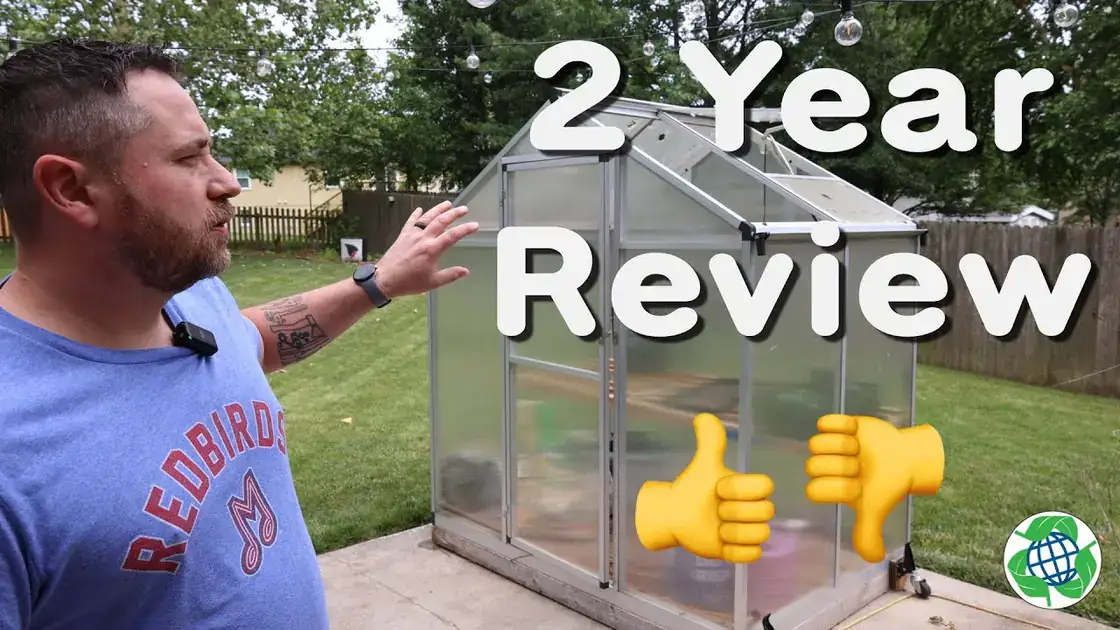
Outsunny 4'x6' Walk-in Greenhouse: 2-Year Review
Honest 2-year review of the budget Outsunny 4x6 polycarbonate greenhouse: UV roof brittleness, silicone caulk wind fix, 10°F winter heating, and upgrades.