Moving Seedlings to the Greenhouse: Timing & Prep
When and how to move 4-week-old pepper, eggplant, and tomatillo seedlings into a small greenhouse: pest prep, 95°F heat spikes, heater backup, and potting up.
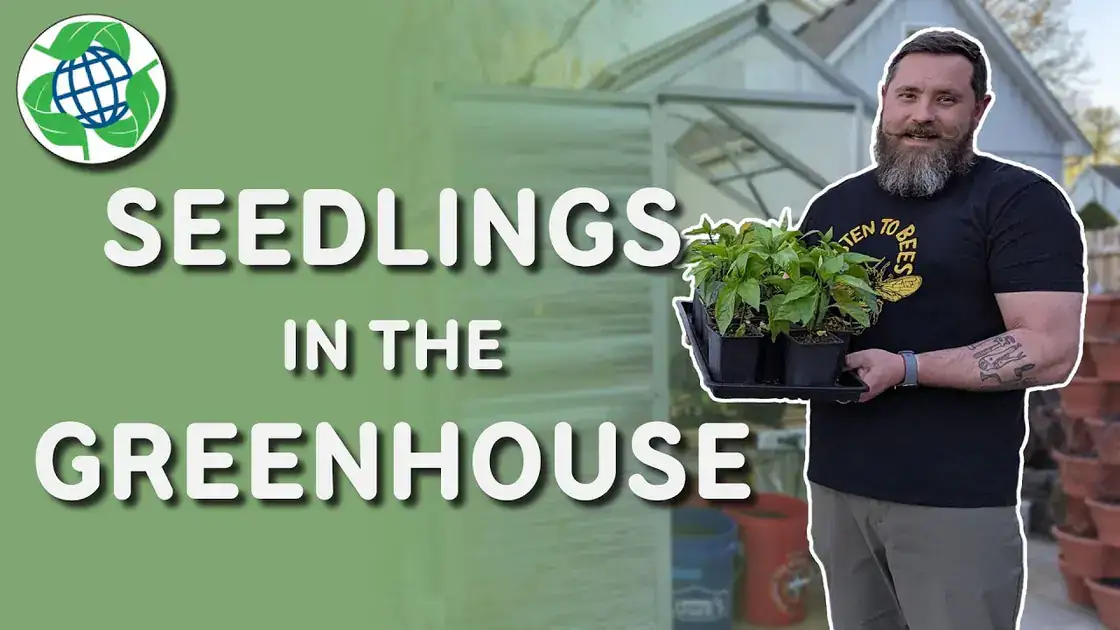
Field Notes At a Glance
- Seedlings Moved
- 4-week-old peppers, Fairy Tale eggplants & tomatillos (3-week tomatoes held 1 more week)
- Readiness Cue
- 2–3+ sets of true leaves and a solid root plug—before roots turn severely bound
- Temp Reality Check
- 65°F outside hit 95°F inside with door & vent open; thermostat heater set ~45°F for cold nights
- First-Week Feeding
- Skip fertilizer on first 1–2 waterings; wait 2+ days, then add mild balanced liquid feed
Move warm-season seedlings from indoor grow lights to a greenhouse once they have 2–3 sets of true leaves, developed roots, and start touching the lights—about four weeks old for peppers, eggplants, and tomatillos. Clear overwintered plants for pests first, skip fertilizer for two days, and watch for 95°F sun spikes and cold nights.
Knowing When Seedlings Are Ready to Move Out
Moving seedlings out of a basement germination station too early is an easy way to lose a month of work. Wait for two physical cues rather than a calendar date alone: at least two to three sets of true leaves and a well-developed root system that holds its plug without turning tightly root-bound.
In our mid-April round, the indoor shelves told us plainly what was ready and what needed another week:
| Crop | Age on Move Day | Moved to Greenhouse? | Why |
|---|---|---|---|
| Peppers | 4 weeks | Yes | Grow lights were maxed out and foliage was brushing the bottoms of the LED bars |
| Fairy Tale Eggplants | 4 weeks | Yes | Thick, sturdy foliage—and a quick pot check showed roots already wrapping the bottom |
| Tomatillos | 4 weeks | Yes | Matching the eggplants in size and outgrowing the germination rack |
| Tomatoes | 3 weeks | No (Wait 1 Week) | Still small enough under lights; an extra week builds sturdier roots before greenhouse heat |
| Herbs & Squash | Starting next | Indoor Rack Next | Fast-growing crops take over the newly opened basement shelf right away |
Step-by-Step Greenhouse Transition Checklist
Before carrying trays out to a small walk-in kit (if you are still setting yours up, start with our Outsunny 4’×6’ greenhouse assembly guide), work through this four-step sequence so tender indoor starts do not get hit by pests, heat, or shock on Day 1.
1. Clear Overwintered Plants & Scout for Pests First
A crowded greenhouse makes every watering clumsy and hides hitchhiking pests. Before bringing fresh seedlings out:
- Move hardy overwintered plants out to their spring spots once night temperatures stop diving into hard freezes (we cleared out everything held since fall except two buckets of newly seeded carrots tucked up front).
- Inspect every leftover plant for insects or disease. If you spot anything suspicious, pull those pots out and deal with the problem first so pests do not jump straight onto soft young pepper and eggplant leaves.
2. Carry Trays Safely & Pick an Accessible Shelf
If you are hauling flat after flat across a level yard, a small garden cart or wheelbarrow saves trips and keeps trays steady. For just two trays going up a flight of basement stairs and back down off a deck, careful hand-carrying beats wrestling wheels over steps—young stems snap cleanly if a tray tips or jolts.
Stage trays on an easy-to-reach shelf inside the greenhouse where they get bright, dispersed light and solid airflow. In a compact 4’×6’ footprint, putting seedlings on the built-in waist-high shelf makes daily checks and watering quick enough that you actually do them.
3. Hold Fertilizer for 2+ Days & Water at Sundown
Resist the urge to hit newly moved seedlings with a heavy dose of fertilizer:
- No fertilizer in the germination station, and none on the first 1–2 greenhouse waterings. Pushing nutrients into a plant while it adjusts to new light and temperature swings can stress tender roots more than it helps.
- Wait at least two full days, then begin adding a mild, balanced liquid fertilizer (look for low, even N-P-K numbers on the bottle) to your watering can.
- Give everything a thorough watering as the sun drops in the evening, then check back first thing the next morning to see how the foliage handled its first cooler night outside the basement.
4. Stage Overnight Heater Backup & Remote Alerts
Spring nights love to dip just when you get comfortable. Keep a compact electric greenhouse heater with a digital thermostat staged in the greenhouse—the same setup that held our 4’×6’ around 45°F through winter cold snaps (even down below zero) gives you an easy safety net if a surprise cold night rolls through.
Pair that with a reliable remote temperature and humidity sensor tied to an indoor weather console or home-automation phone alerts. You do not need anything fancy, just an accurate readout inside the house so you catch midday heat spikes before the greenhouse cooks your trays.
(See the Tools & Gear Used cards below for the walk-in greenhouse, digital thermostat heater, and seed-starting equipment featured in this episode.)
Potting Up Seedlings in the Greenhouse (Fairy Tale Eggplant Demo)
Because we run a small backyard garden rather than hundreds of market flats, we usually skip tiny seed-starting plug cells and sow directly into slightly larger starter pots so plants can stay put longer. (If you are tight on indoor grow-light shelf space and starting lots of varieties, stick with small cells indoors and pot up once they reach the greenhouse.)
Even starting in bigger pots, always pop one test plant out to check the roots. On camera, we assumed the 4-week-old Fairy Tale eggplants (a compact, mottled white-and-purple variety that is great diced and sautéed) did not need potting up yet—only to tip one out and see roots already wrapping around the bottom.
When your root check shows circling roots, step up into a deeper pot with real potting soil (upgrading from nutrient-light seed-starting mix):
- Skip one watering before transplanting: Slightly dry mix holds together as one clean plug; sopping-wet mix slumps and tears fragile roots apart.
- Squeeze the pot sides and tip gently: Flex the plastic pot around all four sides, let any loose top-dressed perlite or vermiculite fall straight into your potting-mix bucket (it mixes in fine), and support the stem as the plug slides free.
- Add a shallow base layer & loosen wrapped roots: Drop a small handful of potting mix into the deeper pot to set your depth, shake off excess top vermiculite, and gently tease compacted outer soil so roots branch outward.
- Center, backfill & leave watering headspace: Hold the stem centered while backfilling potting mix around the edges, giving the pot a light tap/shake to settle air pockets. Stop short of filling soil flush to the rim—leaving a small lip gives water room to pool and soak downward instead of sheeting straight over the sides.
Honest Tradeoffs & What Caught Us Off Guard
- Small polycarbonate greenhouses overheat shockingly fast: On a mild 65°F spring afternoon, our 4’×6’ kit hit 95°F inside with both the door and roof vent open. That 30-degree jump is exactly why immature seedlings struggle—and as we documented later in our Outsunny 4’×6’ greenhouse 2-year review, a small side exhaust fan barely budged summer peaks (1–2°F at best). Propping the door wide open alongside a passive hydraulic roof vent opener and interior circulation fan beats chasing tiny exhaust fans.
- Early greenhouse moves depend on heater power (or a quick carry-back plan): Running an electric thermostat heater keeps seedlings safe through sudden spring cold snaps, provided you have safe outdoor-rated power. If a late hard freeze hits and power flickers, having only a couple of trays means you can carry them back inside in two minutes flat.
- Bargain standalone hygrometers quit fast: The cheap little humidity gauge we tried inside the greenhouse flat-out stopped working accurately. Skip disposable dial meters and go straight to a remote sensor you can read from inside the house.
- Eggplant roots outpace top growth faster than expected: At four weeks, roots were already curling around the bottom of our larger starter pots—keep deeper pots and a bucket of potting mix staged before move day so you can size up the rest of the tray right away.
Video Chapters
Tap any timestamp to jump right to that spot in the video above:
- 0:00 — Moving 4-week-old peppers, eggplants & tomatillos out of the germination station
- 1:27 — Why 3-week-old tomatoes stay indoors one more week (and starting herbs & squash next)
- 2:01 — Clearing overwintered plants & checking for greenhouse pests before moving seedlings in
- 3:20 — Seedling timing cues: 2–3 true leaves, root readiness & the 65°F outside / 95°F inside heat check
- 4:15 — Larger-pot seed-starting shortcut & safely hand-carrying trays down stairs
- 5:55 — Choosing an accessible shelf spot with good dispersed light and airflow
- 6:36 — First-week TLC: holding fertilizer for 2+ days, thermostat heater backup & remote climate alerts
- 8:43 — Step-by-step Fairy Tale eggplant pot-up (dry-soil tip, root-wrap check & rim headspace)
- 12:20 — Evening watering at sundown & checking seedlings after their first cool night
Mentioned in This Guide
Tools & Gear Used
Budget starter greenhouse (2-year field test)
Outsunny 4'x6' Walk-in Polycarbonate Greenhouse
Let us move seedlings out a month earlier in spring and overwinter herbs and potted plants at 45°F during hard freezes.
Winter freeze protection
BioGreen Electric Greenhouse Heater with Digital Thermostat
Held 45°F steadily through multi-week 10°F cold snaps while cycling intermittently once the walls were insulated.
Remote greenhouse climate monitoring
Ambient Weather WH31E Temp & Humidity Sensor
Tracks inside temperature and humidity without walking out to check a dial thermometer.
Compact indoor germination rack & portable shelf
Pure Garden 4-Tier Portable Mini Greenhouse Rack
Small four-shelf footprint fits indoors as a dedicated germination station for peppers, eggplants, and tomatoes, and rolls cleanly when rearranging trays.
Linkable shelf lighting for indoor germination racks
Barrina T8 2FT Full-Spectrum LED Grow Lights (6-Pack)
Linkable 2-foot strips run cool, cover standard seed shelves evenly, and keep four-week seedlings stocky instead of leggy.
Quick height adjustment for suspended grow lights
vanleno 1/8" Adjustable Ratchet Rope Hangers (6 Pairs)
One-handed pulley lift beats fiddling with S-hooks and chains every time seedlings grow another inch toward the lights.
Bottom heat for pepper, eggplant & tomato germination
VIVOSUN 2-Pack Waterproof Seedling Heat Mats (10"×20.75")
Sized cleanly for standard 1020 seed trays and waterproof enough to handle routine bottom-watering splashes during spring germination.
Soil-temperature control for seedling heat mats
VIVOSUN Digital Heat Mat Thermostat Controller (40–108°F)
Holds target germination soil temperatures steadily via a direct soil probe instead of running heat mats wide open all day.
Better Terra · Homestead Project
Follow the Homestead Build
Every guide on this site is free and built straight from real backyard and homestead trials. Subscribe on YouTube or follow along on Instagram to catch new episodes, plans, and what actually breaks along the way.
Keep Reading
More Better Terra Guides
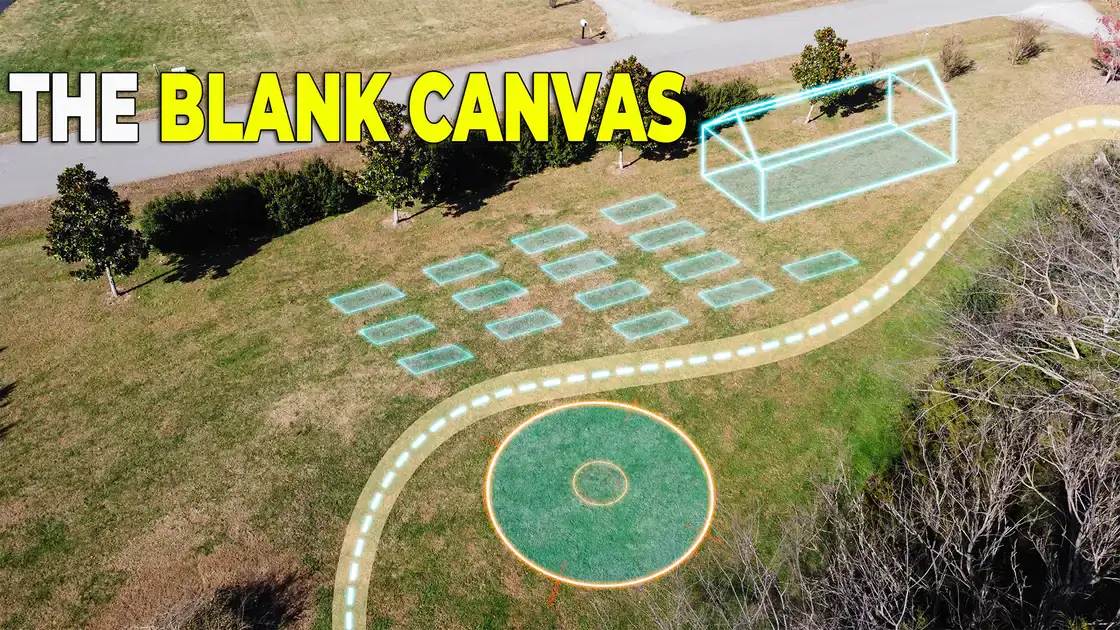
Starting Over in Virginia: Zone 7b Homestead Layout
How we laid out a raw quarter-acre Virginia field (USDA Zone 7b) with a 24-ft fire pit, sun bearings, raised beds over red clay, and a 42x16 3-in-1 hub.
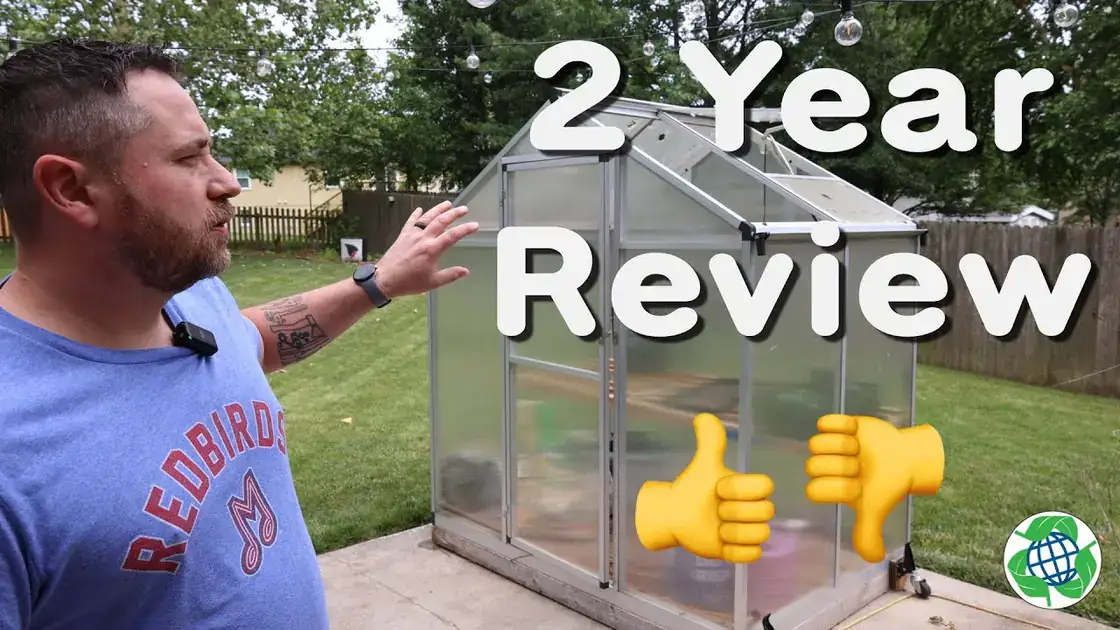
Outsunny 4'x6' Walk-in Greenhouse: 2-Year Review
Honest 2-year review of the budget Outsunny 4x6 polycarbonate greenhouse: UV roof brittleness, silicone caulk wind fix, 10°F winter heating, and upgrades.