Planting Strawberries in Containers: Stackable Towers
How to plant June-bearing and everbearing strawberries in stackable container towers—covering exact crown depth, root loosening, and overwintering care.
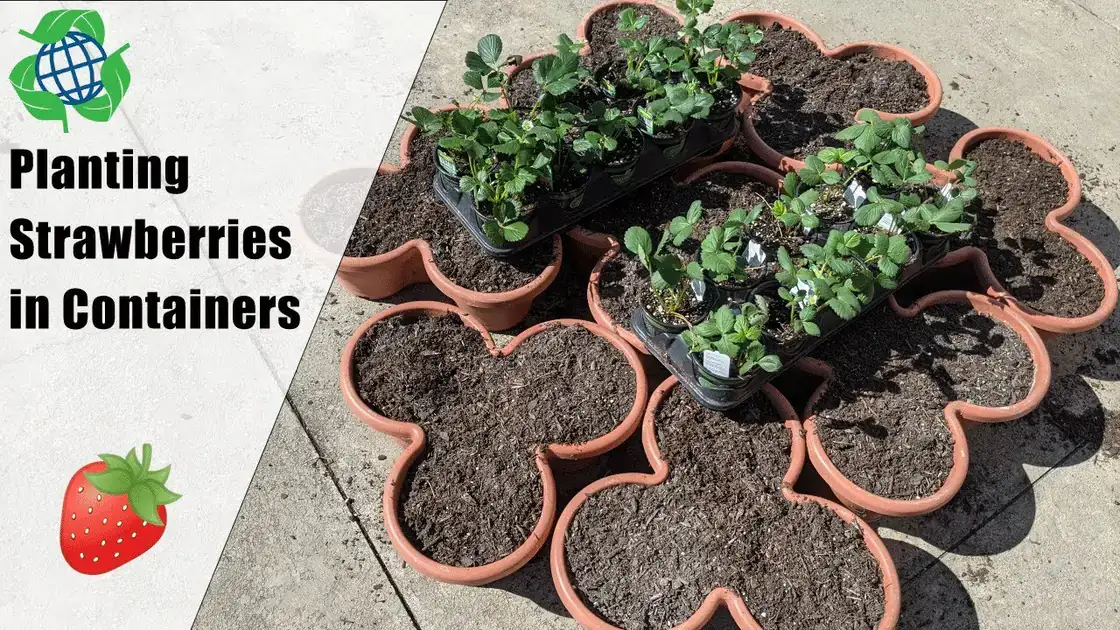
Field Notes At a Glance
- Tower Setup
- 8 stackable 3-pocket planters built into two 4-tier towers (12 pockets per tower)
- Varieties Planted
- Allstar (June-bearing, larger single flush) & Ozark Beauty (everbearing, steady harvest)
- Critical Depth Rule
- Keep soil flush with the top of the roots—never bury the crown or expose top roots
- Container Overwintering
- Perennial crop: move dormant towers into an unheated shed or garage through winter
The make-or-break rule for planting strawberries in containers is crown depth: set each start so potting soil sits right where the roots meet the base of the crown—never burying the crown and never leaving top roots exposed. Stacking Allstar (June-bearing) and Ozark Beauty (everbearing) in four-tier planters fits 24 berry plants into two compact patio footprints.
June-Bearing vs. Everbearing Strawberries
Before you fill a single planter, decide whether you want one big harvest wave or smaller bowls of berries spread across the summer—or do what we did and plant one tower of each side by side.
| Type | Variety in This Build | Fruit Size & Timing | Best Use |
|---|---|---|---|
| June-Bearing | Allstar (left tower) | Larger, juicier berries ripening all at once in a concentrated flush | Jam, freezing, baking, or big fresh bowls all at once |
| Everbearing | Ozark Beauty (right tower) | Smaller berries produced steadily throughout your growing season (length depends on your zone) | Daily patio grazing and small fresh harvests |
Label your towers up front: Side by side, June-bearing and everbearing starts look almost identical. One variety’s foliage runs slightly glossy while the other looks a bit more matte, though once leaves fill out it is easy to lose track if you mix them inside the same stack. Keeping one variety per tower makes watering, pruning, and tracking harvest performance much simpler.
Stackable Container Setup, Spacing & Soil Mix
For this planting we used eight three-pocket stackable planters split into two four-tier towers—one tower for Allstar and one for Ozark Beauty.
- Alternate pockets as you stack: Rotate every tier as you nest it onto the tier below so the three planting lobes alternate back and forth. That offset gives every pocket open headroom for foliage and fruiting stems to drape over the lip instead of getting crushed underneath the next level.
- One plant per pocket (no doubling up): Each three-pocket tier holds three starts (12 plants per four-tier tower). Crowding two crowns into one lobe chokes airflow and makes already small pockets dry out twice as fast.
- Use loose, well-draining potting mix: Fill each tier with a light container potting mix rather than heavy native yard dirt, which compacts hard in plastic planters and holds stagnant water against roots. Leave roughly an inch of lip clearance so water pools long enough to soak in instead of washing soil over the edge. (If you blend homemade compost into your potting mix, running it through a DIY wheelbarrow soil sifter keeps sticks and clumps out of tight planting pockets.)
Step-by-Step: Root Prep & Exact Crown-Level Planting
Whether you start with potted nursery flats (like the ones we planted here) or dormant bare-root bundles, the same depth rule governs every single plant.
1. Loosen Nursery Soil for Solid Root Contact
When transplanting potted nursery starts, hold each root ball over a bucket and gently shake or tease loose some of the old nursery soil around the roots. Breaking up tight plug-shaped roots before planting gives your strawberries far better soil-to-root contact once they go into fresh container mix—and keeping a bucket beside you catches the mess.
(Planting bare-root crowns instead? Soak dry roots briefly in room-temperature water, fan them downward over a small mound of potting mix inside the pocket, and apply the exact same crown-level line below.)
2. Find the Exact Crown Line (Never Bury It)
Look closely at the center of the plant before putting it in the soil: locate the top of the crown, the base of the crown, and pull back slightly to see exactly where the roots begin.
- Too deep (crown buried): Wet potting soil resting against the crown triggers rot quickly.
- Too shallow (roots exposed): Exposed upper roots desiccate fast in shallow plastic pockets.
- Dead-on depth: The soil surface sits flush with the top of the roots, leaving the entire crown resting cleanly above the soil line.
Adjust hole depth plant by plant: Even inside the same nursery flat, starts vary wildly—we pulled one total giant out of the tray with a massive crown and super-thick roots compared to its neighbors. Dig each planting hole to fit that individual root mass rather than poking identical shallow divots.
3. Seat, Firm & Water Both Towers Thoroughly
- Push back the potting soil inside the pocket to open a clean hole deep enough for the roots to drop straight down without bending upward.
- Hold the plant steady so the top of the roots stays level with the soil surface.
- Pack and firm the potting soil gently around the base of the plant to remove air pockets and give the crown solid physical support.
- Repeat across all three pockets of each tier, stack four tiers high with alternating pockets, and finish both completed towers with a thorough watering so soil settles snugly around every root system.
Perennial Care & Container Overwintering
Strawberries are perennials—treat the crowns right and the same plants come back year after year:
- In-ground strawberry beds: Insulate dormant beds with a light blanket of clean straw through winter and plants bounce right back in spring.
- Stackable containers: Above-ground plastic pockets lose heat from every side and freeze much harder than garden soil. Once autumn frosts push the plants into dormancy, move your stacked towers into an unheated shed or garage for winter shelter, then carry them back outside in spring so they wake right back up.
Quick trivia from the episode: Strawberries are the only fruit that wears its seeds on the outside of the berry.
Honest Tradeoffs & Container Lessons
Stackable towers are hard to beat for squeezing 24 berry plants onto a small deck or patio, though vertical containers come with real maintenance tradeoffs compared to an in-ground patch:
- Small pockets dry out fast: Shallow tiers hold far less moisture than a raised bed. In warm sun and breezy spring weather, check moisture daily—water slowly from the top tier down and hit lower pockets directly whenever top-down watering channels past dry spots.
- Rotate towers for balanced sun: Four-tier stacks always have a sunny front and a shaded back. Give each tower a quarter-turn every few days so plants on the shadier side do not stretch or lag behind.
- First-year blossoms & runner control: Pinching off early first-year blossoms—especially on June-bearing starts—helps young crowns push energy into root establishment for a heavier year-two crop. If you planted patio towers specifically for summer snacking, letting healthy everbearers fruit once established is fair game, though trimming excess runners keeps tight pockets from turning into a tangled mat.
- Winter shelter still needs a quick moisture check: A shed or garage shields dormant crowns from repeated deep freeze-thaw cycles, but sheltered pots receive zero winter rain or snow. Check them about once a month and add a light splash of water only if the soil goes bone-dry—never keep dormant crowns soggy.
For links to stackable vertical planters and a freestanding tiered garden box alternative, check the Tools & Gear Used cards below or browse the full Better Terra Gear List.
Video Chapters
Tap any timestamp to jump right to that spot in the video above:
- 0:00 — Overview: planting strawberries in stackable containers
- 0:14 — June-bearing vs. everbearing strawberries (fruit size, harvest timing & leaf texture)
- 1:03 — Stackable planter layout: 8 tiers arranged into two 4-tier towers
- 1:22 — Loosening nursery soil over a bucket for better soil-to-root contact
- 1:43 — Exact crown planting depth: where the roots start & why you never bury the crown
- 2:24 — Close-up planting demo: opening the hole, aligning the crown & firming soil
- 3:02 — Perennial overwintering (in-ground straw mulch vs. shed/garage storage) & outside-seed trivia
- 3:52 — Spotting a giant nursery crown with thick roots & adjusting hole depth
- 4:21 — Completed Allstar & Ozark Beauty towers and thorough first watering
Mentioned in This Guide
Tools & Gear Used
Vertical strawberry & herb tower
VIVOSUN 5-Tier Stackable Vertical Planter
Packs a full strawberry patch into two compact vertical towers so we can keep June-bearing and everbearing varieties separate on a patio.
Freestanding tiered strawberry & herb stand
Garraí 5-Tier Metal Vertical Raised Garden Planter
Wider removable planting boxes hold more soil volume per plant than narrow stacked pockets and keep harvest height right at waist level.
Better Terra · Homestead Project
Follow the Homestead Build
Every guide on this site is free and built straight from real backyard and homestead trials. Subscribe on YouTube or follow along on Instagram to catch new episodes, plans, and what actually breaks along the way.
Keep Reading
More Better Terra Guides
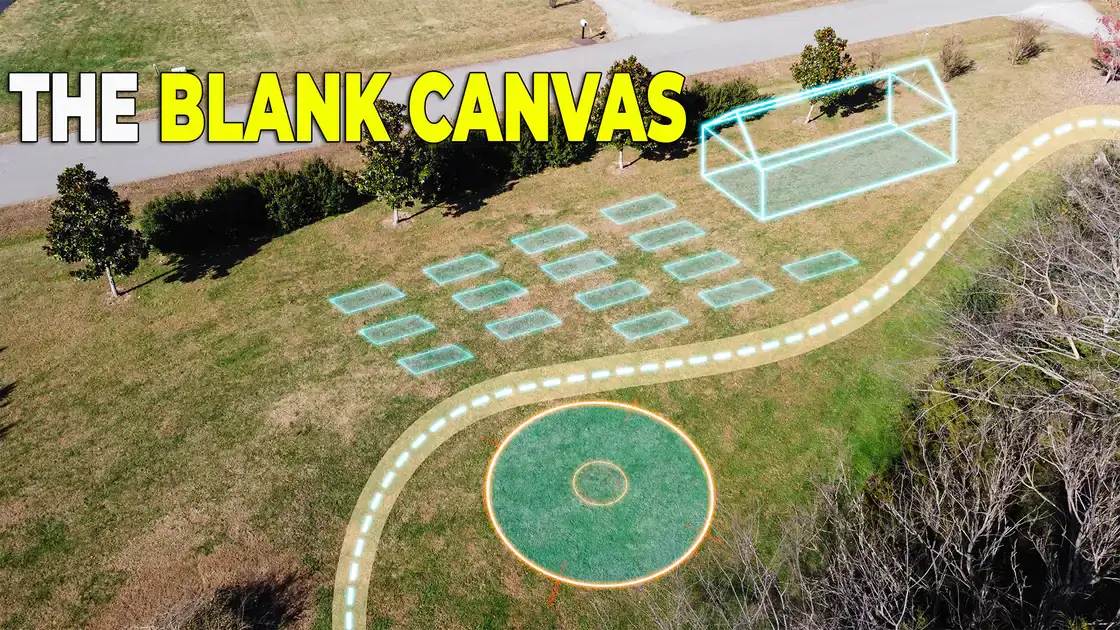
Starting Over in Virginia: Zone 7b Homestead Layout
How we laid out a raw quarter-acre Virginia field (USDA Zone 7b) with a 24-ft fire pit, sun bearings, raised beds over red clay, and a 42x16 3-in-1 hub.
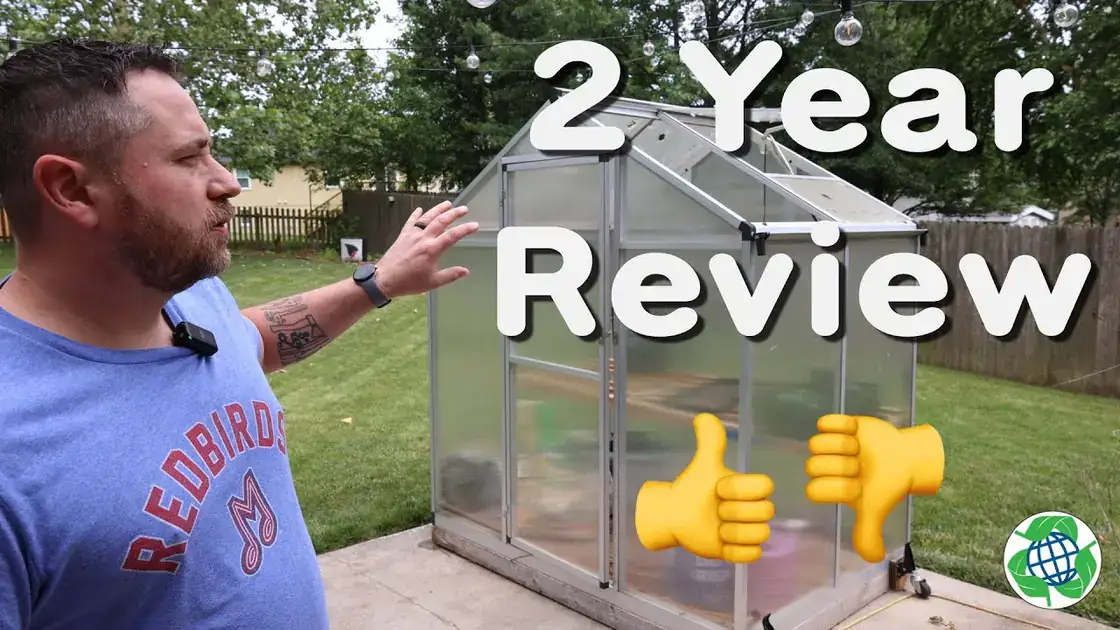
Outsunny 4'x6' Walk-in Greenhouse: 2-Year Review
Honest 2-year review of the budget Outsunny 4x6 polycarbonate greenhouse: UV roof brittleness, silicone caulk wind fix, 10°F winter heating, and upgrades.